
by Kristina Williams, 10th
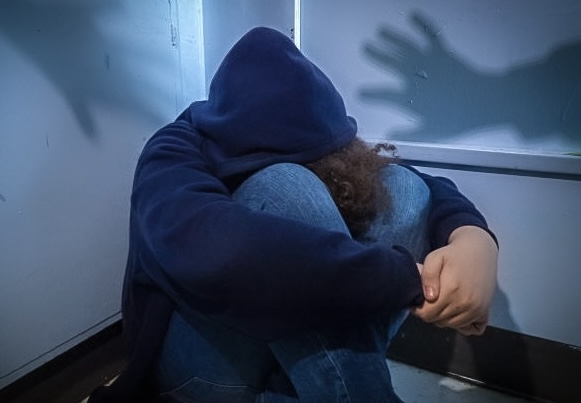
Bullying (including cyberbullying) can take a toll on many kids of different age groups. Kids who are bullied are likely to feel alone and isolated from people. Many kids who are bullied have a greater risk of contemplating or committing suicide.
Kids who are bullied are twice as likely to commit suicide than a student who hasn’t been bullied. Many students who are bullied at least once a week also experience thoughts of harming themselves, insomnia, a toll on mental health, more depression and anxiety, and dysfunction with socializing. 19.2% of students report being bullied (National Institute of Education and Science). Students between the ages of 12-18 who were bullied reported being bullied online and or by text, according to the National Center for Education Statistics. The percentage of students between the ages of 13-17 who have experienced online bullying in their lives has more than doubled—18.8% to 54.6%—from 2007-2023. 20.9% of tweens have experienced cyberbullying, cyberbullying others, or seen cyberbullying. 13% of tweens reported experiencing bullying at school and online, and only 1% reported being bullied online solely.
Why Should We Have Anti-bullying Programs in Schools?
Any form of bullying or harassment interferes with students’ ability to learn in school. Schools should implement programs such as monthly check-ins and videos that explain bullying and its effects to help raise awareness and prevent bullying from impacting students at an early age. On their Anti-Bullying website, The US Department of Health and Human Services explains that research shows that students and educators benefit from bullying prevention. School-based programs have effectively reduced bullying by 20 –23% and victimization by 17–20%.
Do the Programs Help or Hurt?
Sometimes anti-bullying programs aren’t always helpful and sometimes have an opposite effect. Some anti-bullying programs can lead to children getting bullied more often (One World Education). In many cases, though, it does help, and many kids have come out and stated that it has helped them (PubMed).
The outcome differs for different people. Although many groups and rules are a positive help many are not, for example zero tolerance policies. The zero tolerance policies might seem like they’re helpful but in reality bullying cannot just be erased, and sometimes people intentionally break these policies.
Many people think anti-bullying programs are beneficial and help more than harm. Every school should have at least one group that talks about bullying. Groups like STOMP Out Bullying make a positive impact with not only bullying but also discrimination and inequality. Groups like this help us take a closer step towards equality.
If you are contemplating suicide, are worried about a friend or loved one, or are in emotional distress, the 988 Lifeline is available 24/7 across the United States. It is available for everyone, free, and confidential.
Call or Text 988 or visit 988Lifeline.org